- 817-587-4286
- info@treeservicegrapevinetx.com
- Mon - Sat: 9:00 - 18:00
Selective Pruning for Trees You Want to Keep
Tree Pruning in Grapevine, TX
Tree pruning removes selected branches for a clear reason, such as a broken limb, branches rubbing together, or a limb growing into your roof. The goal is to address a specific problem while the tree stays in place.
For tree pruning in Grapevine TX, call 817-587-4286 to talk about your tree and request an estimate.
Discuss Your Tree and Request an Estimate
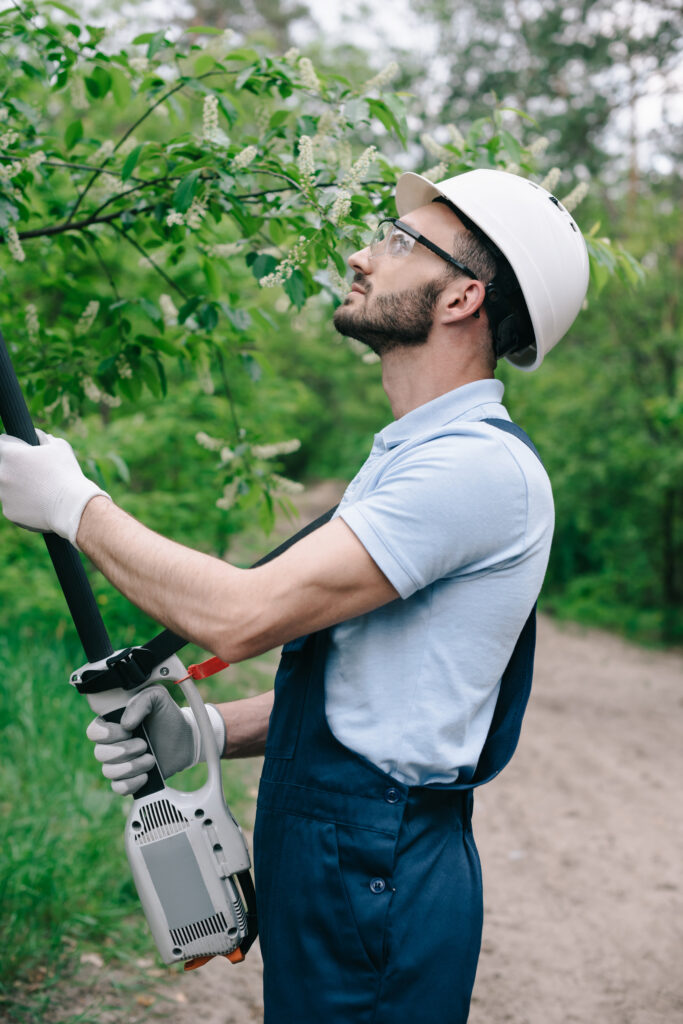
Selective Tree Pruning With a Clear Purpose
Pruning is selective branch removal. Each cut should serve a defined objective, such as removing a damaged branch, easing a clearance problem, or improving tree structure. Every cut is also a wound, so the work should be planned around the tree’s condition and the way it grows.
Pruning is different from tree removal. Removal takes down the whole tree. Pruning keeps the tree and changes only the branches that need attention. It also differs from routine tree trimming, which is general upkeep of branches and the canopy. A pruning job starts with a specific question: which branches, and why?
Tree pruning is part of the tree care services we offer for residential and commercial properties. If a tree has major decay or damage, pruning may not be enough, and tree removal may be worth discussing.
When Tree Pruning May Be Appropriate
Some branch problems are easy to spot from the ground. A broken or hanging limb after a storm may warrant evaluation. So may dead branches that stay bare during the growing season, branches that cross and rub, or limbs pressing against a roof, wall, or fence.
Growth patterns can matter too. A limb growing low over a driveway or leaning heavily over the house may benefit from selective pruning, depending on the tree and circumstances. One symptom alone does not tell the whole story, so a tree assessment looks at the full tree and its surroundings first. Pruning can reduce some problems, but it cannot guarantee that a tree or branch will not fail.
If any branch is touching or near a power line, stay clear and contact the utility company.
Damaged and Dead Branches
Removing selected broken, damaged, or dead branches is one of the most common pruning objectives. Deadwood removal takes out limbs that no longer support the tree.
Clearance and Conflicts
Pruning can manage clearance over a walkway, driveway, or roof and respond to a branch that conflicts with a building, fence, or sign. Crown raising is one type of clearance pruning.
Tree Structure
Structural pruning deals with crossing or rubbing branches and competing limbs. It is often most useful on young trees, when smaller cuts can help guide how the tree grows.
What Affects a Tree Pruning Estimate
No two pruning jobs are the same. The tree species, its size, and its condition all shape the work. So do the canopy structure, where the target branches are, and how much pruning is planned. A few low limbs are a different job than branches high over a roof.
The site matters as well. Gates, nearby buildings, fences, driveways, utilities, and sloped ground can affect access and equipment needs. The number of trees and how debris will be handled are also part of the scope. An on-site look is often needed before an accurate estimate is possible.
Pruning Timing in North Texas
Timing can matter for Grapevine trees. Texas A&M Forest Service notes that pruning right before spring growth can help wounds close, and that heavy pruning of live branches should be avoided right after the spring growth spurt, especially for stressed trees. If a tree is already struggling, for example after a long dry spell, ask whether heavy pruning should wait.
Oaks need extra care because of oak wilt. The Forest Service advises against pruning oaks from February through June and recommends painting fresh pruning cuts on oaks right away. It also advises against removing more than 25% of a tree’s crown at one time. The Texas A&M Forest Service guide to pruning mature trees has more detail.
How a Pruning Job Usually Comes Together
- Talk through the tree and your property concern.
- Evaluate the tree and the area around it where appropriate.
- Identify the pruning objective.
- Agree on the proposed scope.
- Review the estimate.
- Schedule the work.
- Complete the agreed pruning.
- Handle debris as agreed in the scope.
Call 817-587-4286 to request an estimate.
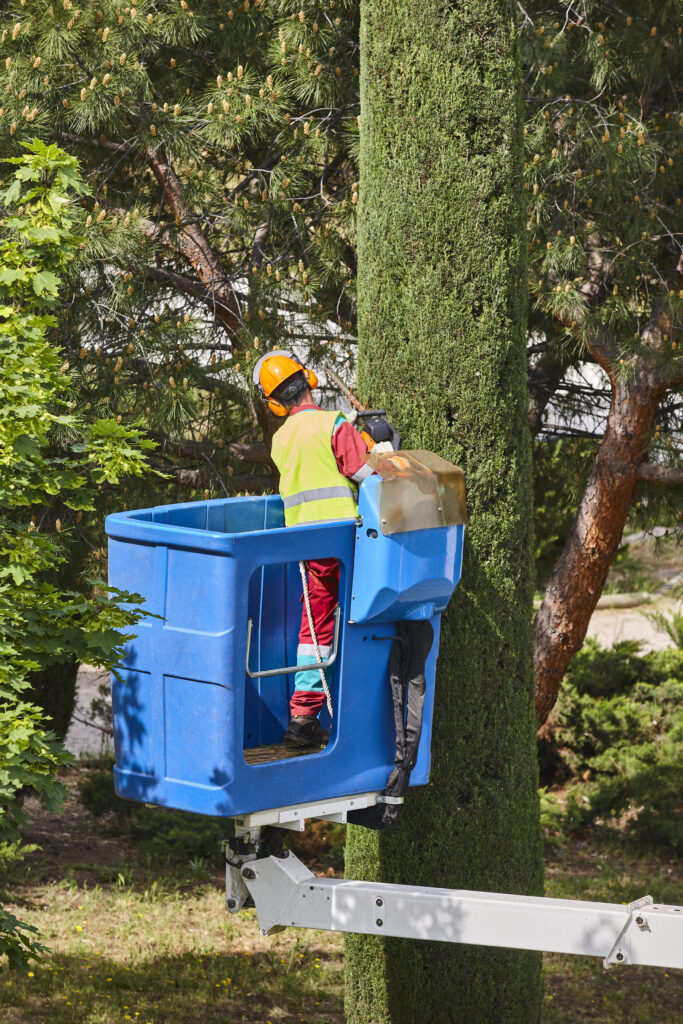
Tree Pruning Questions
Both remove branches while keeping the tree. Pruning is usually selective and tied to a specific objective, such as a damaged limb or a structural problem. Trimming often refers to routine branch and canopy upkeep. The terms overlap, so it helps to describe what you want to change.
Broken, dead, crossing, or rubbing branches may warrant evaluation, as may limbs that interfere with a roof, driveway, or walkway. Young trees can also benefit from early structural pruning. The right approach depends on the tree and its condition.
Often, yes. Selected broken or damaged branches can be removed while the rest of the tree is kept. If the damage reaches the trunk or major limbs, the whole tree may need a closer look first.
Storm-damaged branches can often be addressed with pruning. Stay away from hanging limbs and any branch near a power line until the area has been assessed. Depending on the tree and the damage, pruning may solve the problem, or a broader conversation about the tree may be needed.
Tree size and condition, where the branches are, access, nearby structures and utilities, the amount of pruning, the number of trees, equipment needs, and debris handling all play a part. An estimate is usually clearest after the tree has been seen.
It depends on the scope you agree to. Ask whether branches will be hauled away, chipped, or left in a set spot so expectations are clear before work begins.
An evaluation is a good idea for large or mature trees, trees with cracks, decay, or dead sections, trees near a house or power line, and oaks during February through June. It helps decide whether pruning is the right step and what it should include.
Request a Tree Pruning Estimate
We’re dedicated to providing quality tree care for the Grapevine, TX area. We offer tree trimming, pruning, tree removal and stump grinding for homes and businesses. Our goal is to keep your property safe and your trees healthy. We plan every job with safety in mind and aim for clean, professional work. Whether you need routine care or emergency tree work, Tree Service Grapevine Texas is here to handle all your tree care needs with expertise and reliability.
CONTACT US
- Grapevine, Texas
- 817-587-4286
- info@treeservicegrapevinetx.com
- 9 AM to 6 PM (Monday to Saturday)
Copyright 2026 Tree Service Grapevine Texas| All RIghts Reserved