- 817-587-4286
- info@treeservicegrapevinetx.com
- Mon - Sat: 9:00 - 18:00
Clearing Fallen Limbs and Tree Debris So You Can Use Your Property Again
Storm Damage Cleanup in Grapevine, TX
The storm has passed, and now there are broken limbs on the lawn, branches across the driveway, or tree debris scattered along the fence line. Storm damage cleanup deals with that fallen and broken tree material, with a scope based on what actually came down on your property.
For storm damage cleanup in Grapevine TX, call 817-587-4286 to describe the damage and request an estimate.
Describe What Came Down
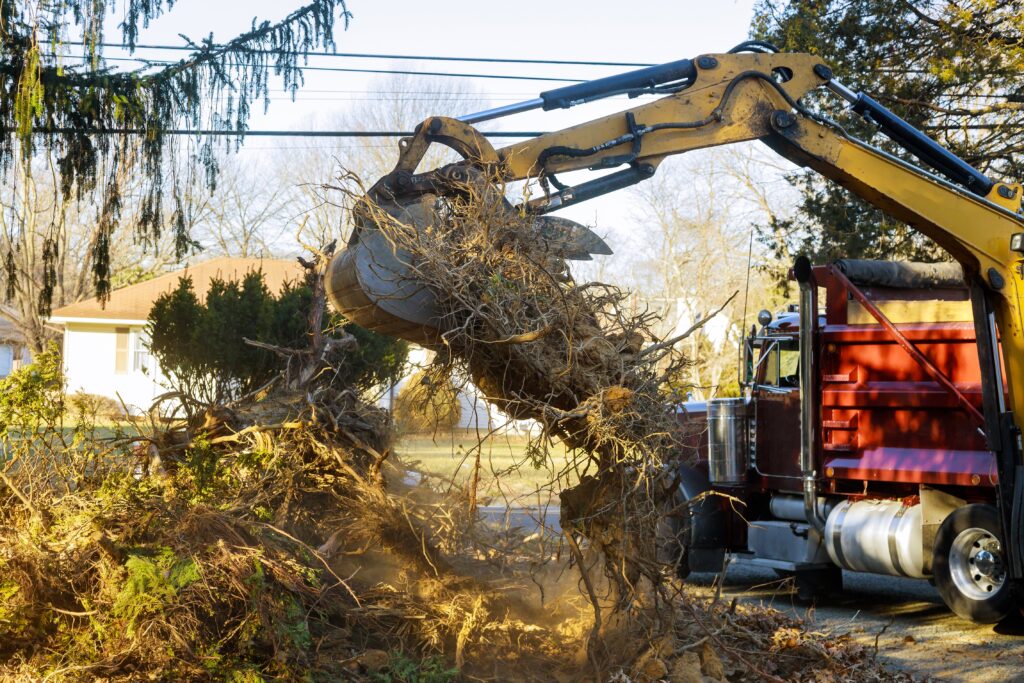
After the Storm: What Are You Looking At?
Most storm cleanup calls start with something you can see from the porch. A large limb may be lying on the lawn. Broken branches may still hang from a tree, partly attached. Debris may be spread across a driveway, piled against a fence, or scattered over several parts of the yard after strong wind.
Some of this is simple cleanup. Some of it needs a closer look, especially broken material still up in a tree or debris near a structure. Not every storm mess is an emergency, and a photo or description alone cannot tell whether a standing tree is sound.
What Storm Damage Cleanup Can Involve
Depending on conditions and the agreed scope, cleanup may include addressing fallen branches, dealing with broken tree material, cutting larger pieces into manageable sections as part of the work, gathering debris, and clearing agreed areas of the property. Whether debris is hauled away, chipped, or left in a set spot depends on the scope you agree to. If the situation looks bigger than cleanup, that should be raised before work begins. Storm cleanup is one of the tree services we offer for homes and businesses.
Some Storm Damage Is More Than a Cleanup Job
A storm-damaged property can call for different kinds of tree work. When the main problem is fallen branches and debris on the ground, cleanup is usually the right fit. Other situations point to a separate service, and sometimes more than one scope is needed.
Texas A&M Forest Service cautions that rushing to clean up after a storm can lead to removing trees that could have been saved. A damaged tree does not automatically need to come down.
Debris on the Ground
Fallen limbs and scattered tree debris are the core of a storm cleanup scope.
A Fallen Tree
If a whole tree came down or must be removed, tree removal is likely the relevant service.
Damage Still in the Tree
Broken branches on a standing tree may call for selective tree pruning as a separate scope.
Power Lines Change the Situation
If a tree, branch, or debris is touching a power line, tangled in wires, resting on utility equipment, or near a line on the ground, stay away and keep others away. Oncor, a major North Texas electric utility, advises treating every downed wire as energized and calling 911, and it warns never to remove tree limbs touching or near a downed wire. Texas A&M Forest Service adds that fence wires can become electrically charged when broken electrical lines are nearby. Do not try to move, cut, or pull anything near the lines. Leave that area to the utility and emergency responders.
Before Moving Tree Debris Yourself
Storm-damaged wood is hard to predict. A limb may be heavier than it looks, partly attached, hung in the canopy, or bent under tension, and nearby structures or utilities raise the stakes. Texas A&M Forest Service advises against getting under broken limbs that are hanging or caught in other branches. If anything looks suspended or tangled, leave it and describe it when you call.
Storms and Trees in Grapevine and North Texas
Thunderstorm wind is a common source of the broken limbs and scattered debris this page covers. NOAA’s National Severe Storms Laboratory explains that damaging straight-line winds, generally those above 50 to 60 mph, account for half of all severe weather reports in the lower 48 states and are more common than tornado damage. Oncor notes that downed power lines often happen during thunderstorms with high winds. After a storm, Texas A&M Forest Service suggests looking both up and down for hazards and resisting the urge to over-prune damaged trees. Its guidance on tree care after storm damage is worth reading before making decisions about damaged trees.
From Scattered Debris to a Defined Cleanup Scope
You describe what happened and which areas are affected. Conditions are reviewed where appropriate, the fallen and broken material is identified, and access and nearby features are considered. Then the cleanup scope is defined, you review the estimate, the agreed work is done, and debris is handled as the scope says.
What Can Change the Size of a Storm Cleanup Job?
Two storm cleanups can look very different. The amount and size of fallen material, the number of affected trees, whether a whole tree is involved, and whether debris is scattered or piled in one spot all matter. Access, fences, structures, driveways, terrain, room for equipment, debris handling, tangled material, and any extra tree work can change the job too.
Storm Cleanup vs. Emergency Tree Service
Storm damage cleanup focuses on fallen branches, broken tree material, and debris as part of an agreed cleanup scope. Emergency tree service addresses urgent tree situations where prompt attention may be appropriate, such as a tree resting on a structure or a limb hanging over a busy area. The two can overlap, but they are not the same.
Estimating a Cleanup After a Storm
It helps to share what fell or broke, how many trees are affected, where debris landed, whether access is blocked, what is nearby, and whether a whole tree is involved. The actual scope still depends on the volume of material, tree and branch size, access, complexity, debris handling, and any other tree work needed. Call 817-587-4286 to request an estimate.
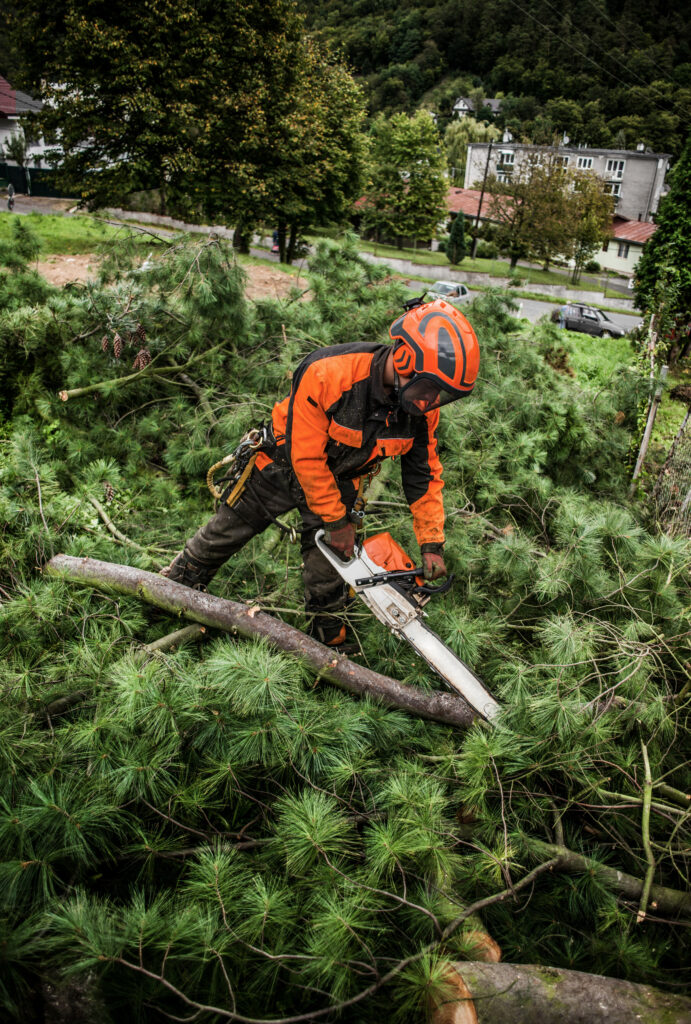
Questions After a Storm
Depending on the agreed scope, it can include addressing fallen branches and broken tree material, cutting larger pieces into manageable sections, gathering debris, and clearing agreed areas. How debris is handled depends on the scope.
If the problem is mainly fallen branches and debris on the ground, cleanup usually fits. If a tree is resting on a structure, blocking an exit, or hanging over a busy area, emergency tree service may be more appropriate.
Keep your distance, keep people and pets back, and call 911. Oncor advises treating every downed wire as energized and never removing tree limbs touching or near one. Cleanup near the lines waits until the utility has made the area safe.
Yes. Cleanup focuses on the material that came down. Whether the standing tree needs any other work is a separate question.
The volume of material, branch size, the number of affected trees, whether a whole tree is involved, access, nearby structures, debris handling, and any additional tree work all shape the estimate.
Keep clear of it and check from a distance for power lines. A fallen tree usually calls for tree removal. Describe the tree’s size and where it landed when you call.
Yes. Broken limbs can stay hung up or partly attached, so do not stand under them. They may be handled through cleanup or pruning, and branches that die back later may call for deadwood removal.
Describe Your Storm Cleanup
We’re dedicated to providing quality tree care for the Grapevine, TX area. We offer tree trimming, pruning, tree removal and stump grinding for homes and businesses. Our goal is to keep your property safe and your trees healthy. We plan every job with safety in mind and aim for clean, professional work. Whether you need routine care or emergency tree work, Tree Service Grapevine Texas is here to handle all your tree care needs with expertise and reliability.
CONTACT US
- Grapevine, Texas
- 817-587-4286
- info@treeservicegrapevinetx.com
- 9 AM to 6 PM (Monday to Saturday)
Copyright 2026 Tree Service Grapevine Texas| All RIghts Reserved